 Chat with an expert


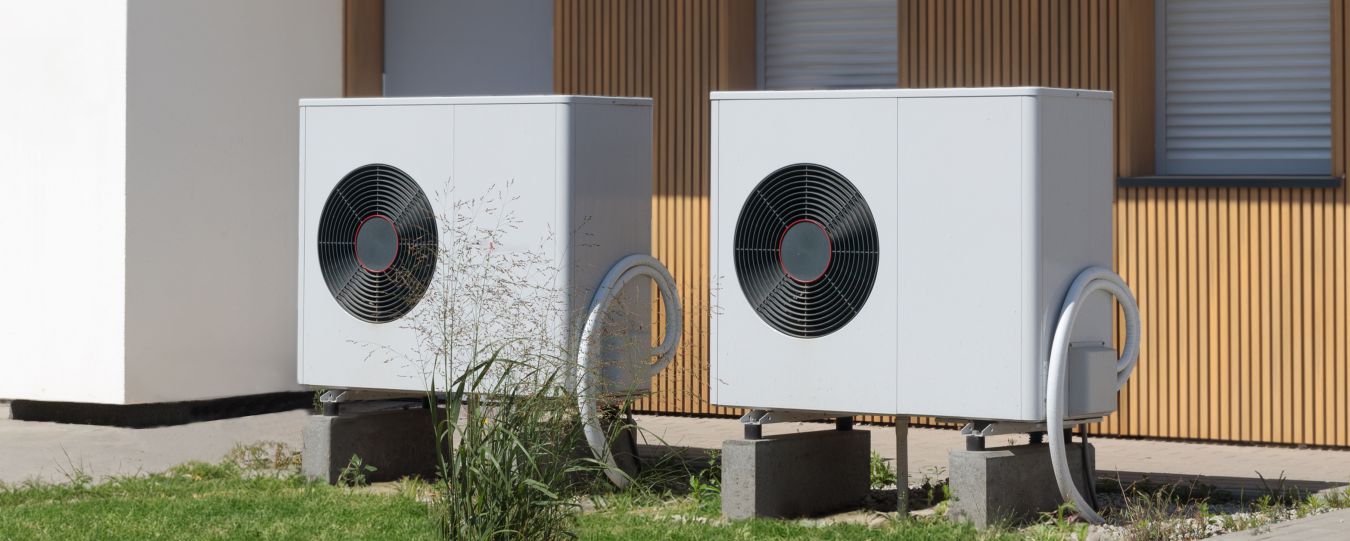
This guide covers what a heat pump is, how the two main types work, and what two households found after installing one.
What is a Heat Pump?
A heat pump moves heat from outside your home to inside rather than making it by burning fuel. It takes low-grade heat from the air or the ground and raises it to a temperature that will heat radiators and hot water. The two common types in UK homes are air source and ground source. Air-to-air units can also cool; the air-to-water systems fitted under the grant are for heating and hot water.
How Do Heat Pumps Work?
- Air Source Heat Pumps (ASHP): These systems extract heat from the outside air and transfer it indoors. There is usable heat in outside air well below freezing.
- Ground Source Heat Pumps (GSHP): pipes buried in the garden, in trenches or boreholes, carry a fluid that picks up the ground’s steady temperature. They cost more to install than air source and need the land.
In the Electrification of Heat trial, which fitted 742 heat pumps in UK homes rated EPC A to G, air source heat pumps delivered a median of 2.8 units of heat for each unit of electricity used (Energy Systems Catapult). A well-set-up system reaches three.
Benefits of Heat Pumps
- Efficiency: around three units of heat per unit of electricity, against less than one for a gas boiler. Whether that lowers your bill depends on your tariff: running costs against a gas boiler.
- Emissions: no combustion in the home, and emissions fall further as the electricity grid decarbonises.
- Heating pattern: a lower flow temperature run for longer, so rooms hold a steady temperature.
- Grant: in England and Wales the £7,500 heat pump grant comes off the installer’s quote; the installer applies for it.
Two households
1. A new build with a heat pump fitted
Peter Hughes bought a new-build home with an air source heat pump already fitted; all five houses on the development have the same system. His annual energy cost was about £600, against about £1,300 in his previous home with gas heating. The heat pump runs underfloor heating and the hot water. Source: Energy Saving Trust
2. An oil boiler replaced
Fiona Appleton’s rural house ran on oil and the boiler was due for replacement. The installers removed it and fitted a hot water cylinder, larger radiators and the heat pump in three days. The household moved to a time-of-use tariff and heats the house and water outside peak hours. Source: Energy Saving Trust
Is your home suitable?
The case studies above are other people’s houses. Whether a heat pump suits yours comes down to measurements: heat loss by room, insulation, radiator sizes, space for a cylinder and a place for the outdoor unit. A retrofit assessment records all of that, without drilling or lifting floorboards, and the assessor does not quote for the work, so the report is yours to take to any installer. Running costs against a gas boiler and the grant are covered separately.


